Social Intelligence in Minds and Machines
I build computational models of how intelligent systems form beliefs, make decisions, and navigate social interactions, then use those insights to evaluate and improve AI.
At Meta FAIR, I am extending this work from evaluation toward post-training and multi-agent systems.
Selected Work
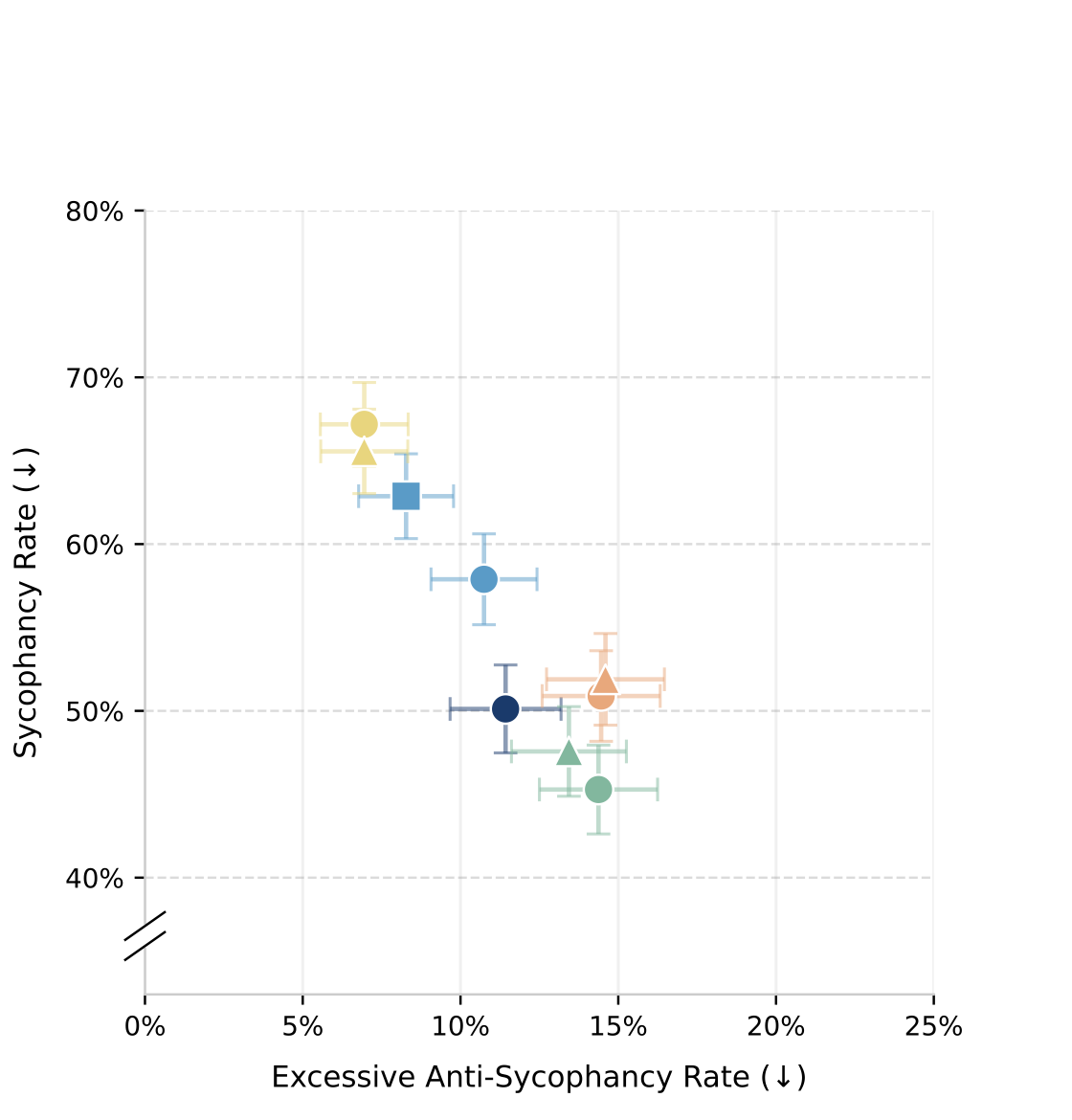
Muse Spark Safety & Preparedness Report
Meta · 2026 · Sycophancy evaluation contributor
The report evaluates Meta's LLM, Muse Spark, across safety and behavioral dimensions; I contributed to the sycophancy benchmark, which measures inappropriate agreement and pushback.
Report ·
arXiv
How Beliefs Persist Amid Controversy: The Paths to Persistence Model
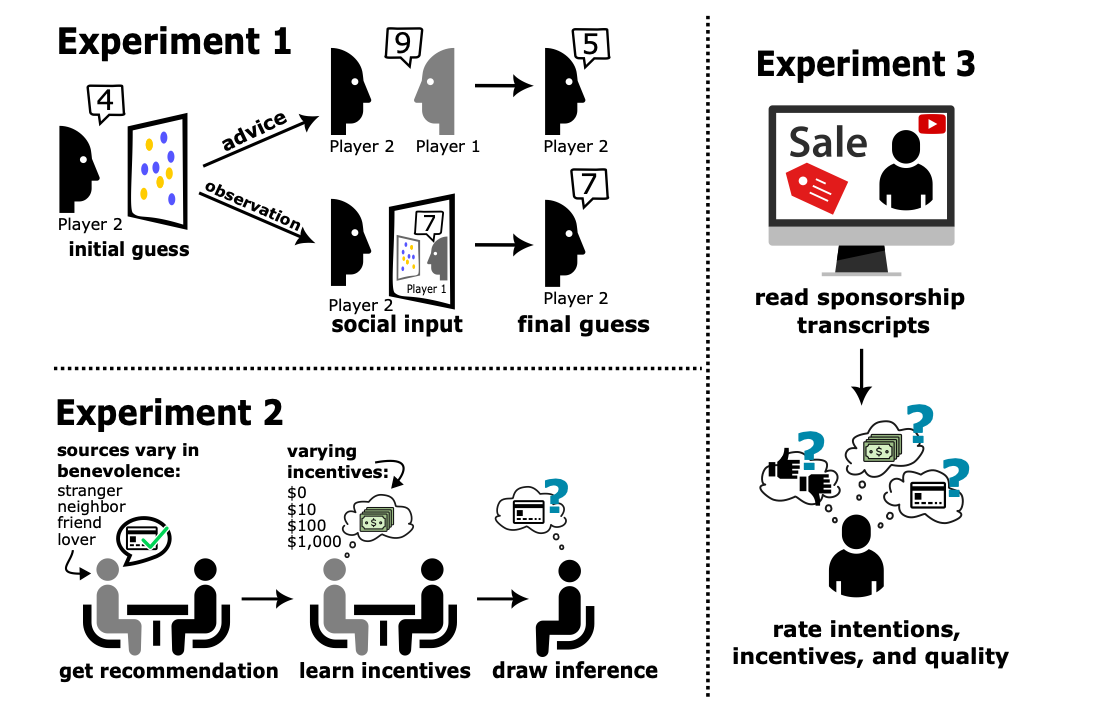
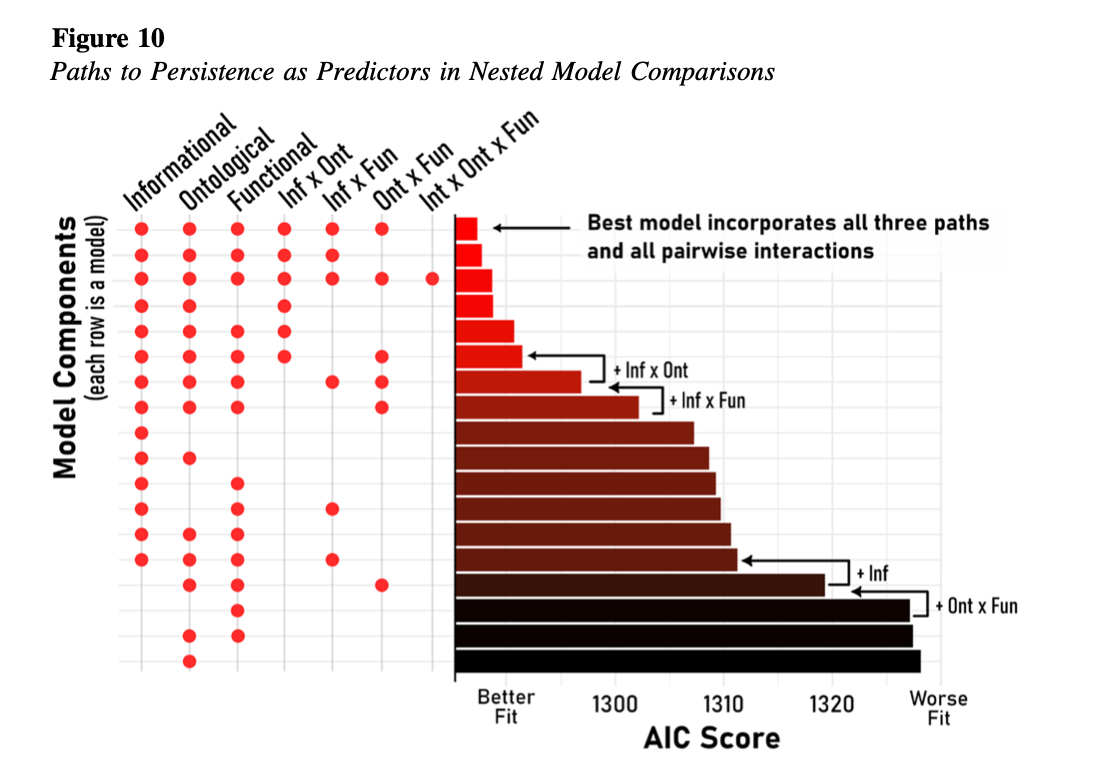
Psychological Review · 2025 · Oktar & Lombrozo
We unite theories across the social sciences into four concrete reasons people resist disagreement—distrusting dissenters, treating issues as subjective, anticipating costs of changing, or lacking the cognitive resources to update—and test them across five preregistered studies.
Paper
Full list: CV · Google Scholar.
Recent Research
HorizonBench
Can models track a user as their preferences change over months?
DetailsClose
Preprint · 2026 · Li, Paranjape, Oktar et al.
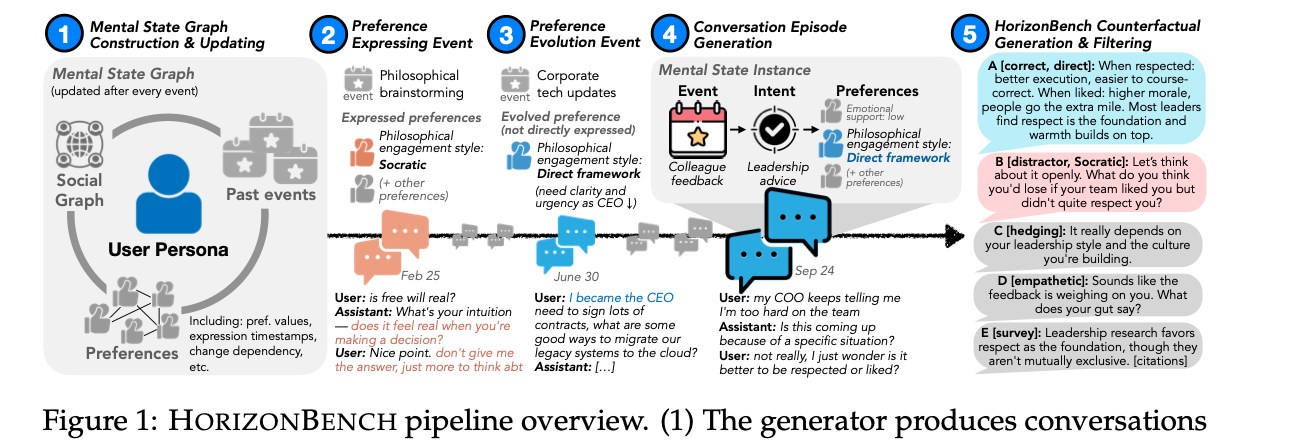
HorizonBench generates six-month conversations from structured mental-state graphs, with ground-truth provenance for every preference change; across 25 frontier models, most score at or below chance, with updated-state tracking the central bottleneck. Paper · Code · Data
Brittlebench
Do benchmark conclusions survive harmless changes in wording?
DetailsClose
Preprint · 2026 · Romanou, Ibrahim, Ross, Oktar et al.
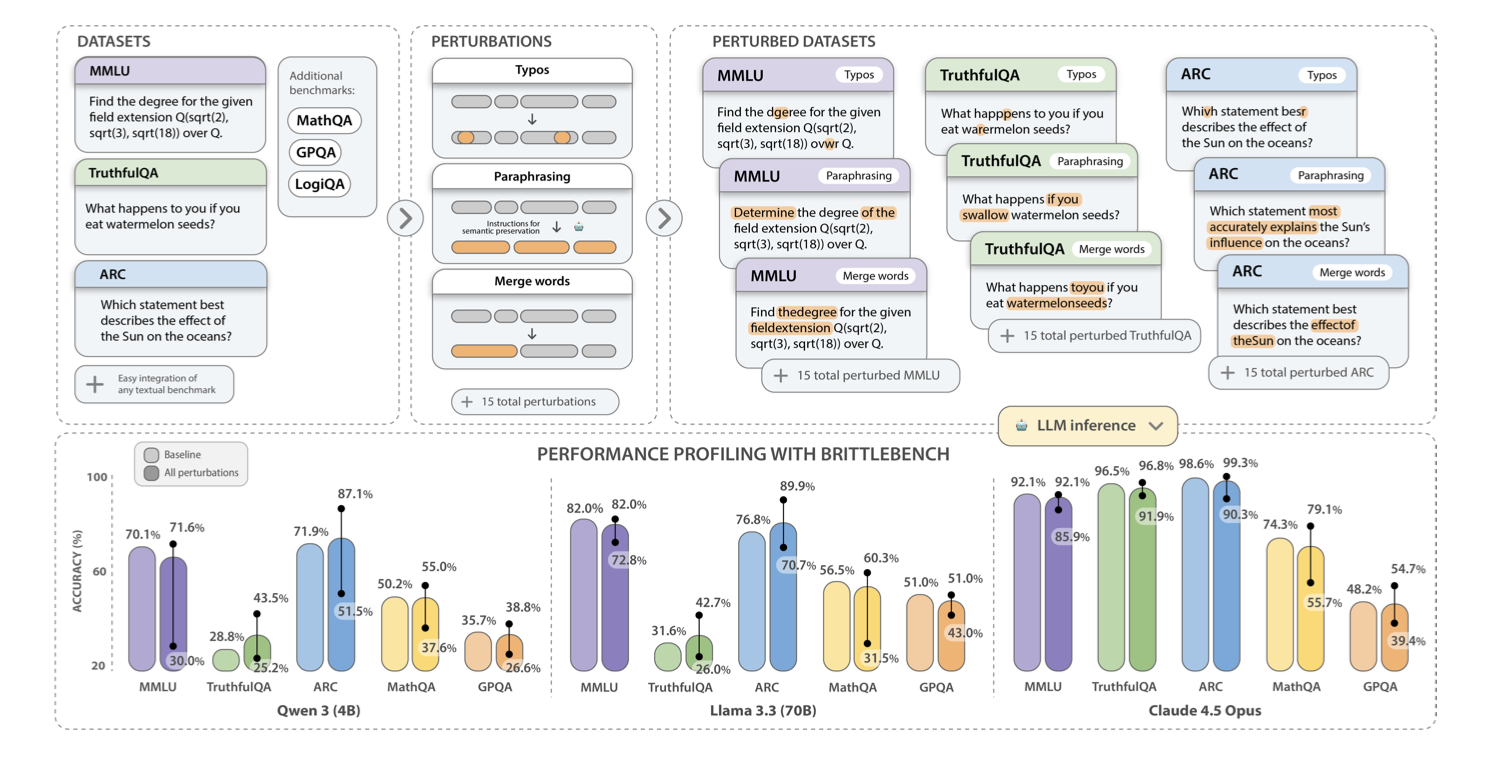
Brittlebench introduces a variance-decomposition framework that separates task difficulty from prompt sensitivity; semantics-preserving perturbations change model rankings in 63% of cases and can explain up to half of performance variance. Paper
Intuitive Theories of Truth
How do people decide what can be true, is true, and should be asserted?
DetailsClose
Trends in Cognitive Sciences · In press · Equal contribution · Oktar, Handley-Miner et al.
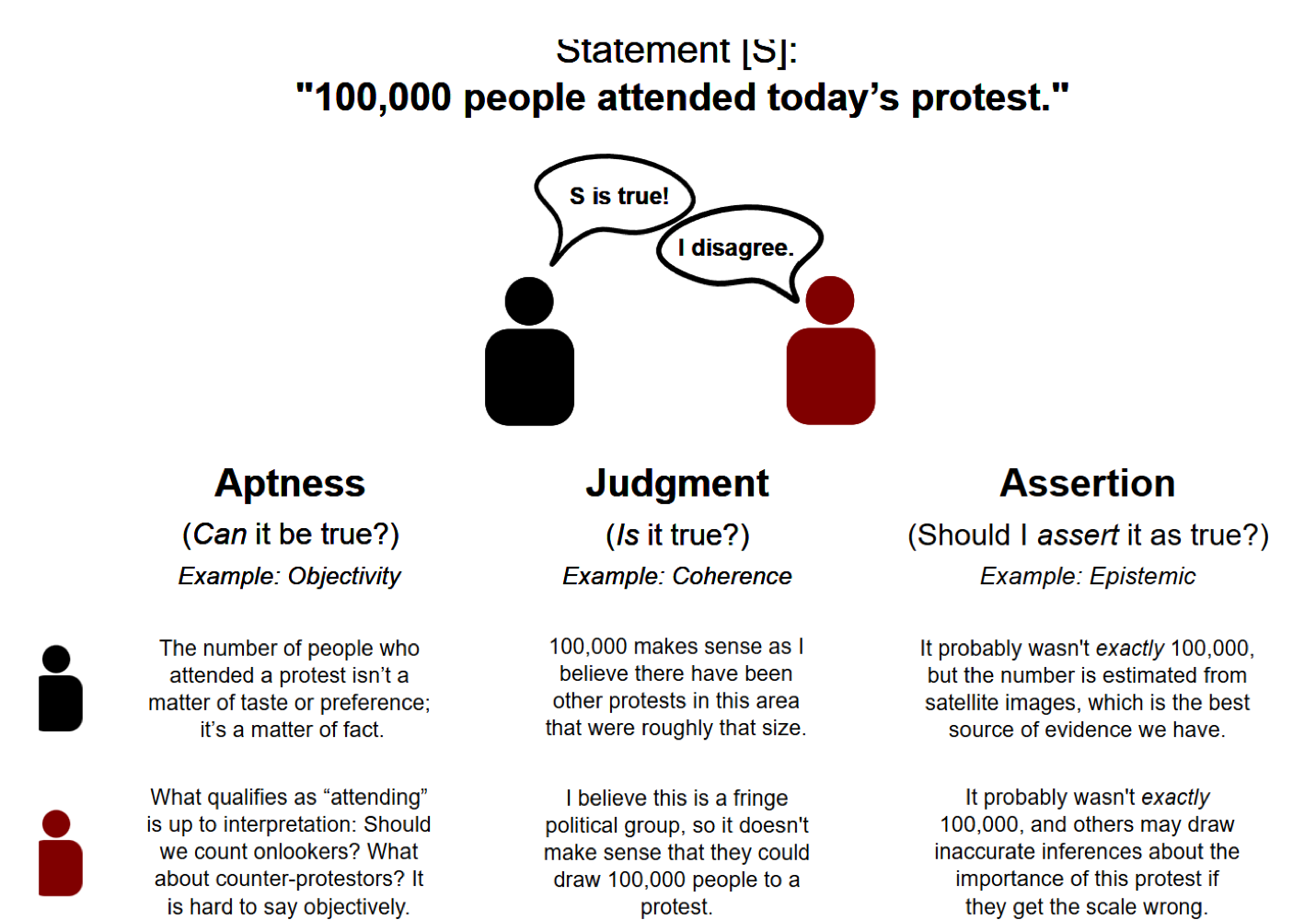
Intuitive Theories of Truth organizes everyday truth judgments around aptness, judgment, and assertion, explaining how people can disagree about truth even when they share the same evidence. Paper
About
I was born and raised in Istanbul (🧿); studied economics and cognitive science at Pomona College, CA (☀️); completed my PhD in Psychology at Princeton, NJ (❄️); and now research social cognition in AI systems at Meta FAIR in Seattle, WA (☔).
My research has won CogSci’s Marr Prize for best paper and SPP’s Poster Prize; Princeton’s Center for Human Values supported my PhD through a Rockefeller Prize Fellowship. Beyond research, I co-designed and co-taught Psychology of Justice at Edna Mahan, a women’s prison in New Jersey, in 2024. I have also found and tamed the Oscar Mayer Wienermobile.
Feel free to contact me at oktar[dot]research[at]gmail.com with regards to research / collaboration / mentorship /… - I love talking about science.
Here is an anonymous feedback form.
Writing